Nice Naughty Sweet and Innocent: A Designer's Review
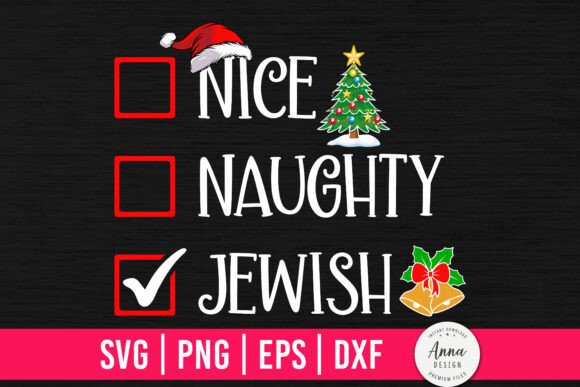
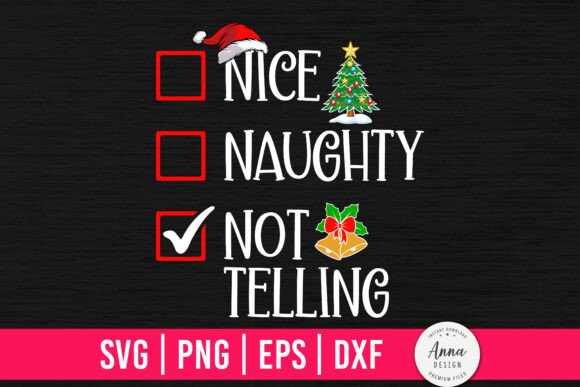
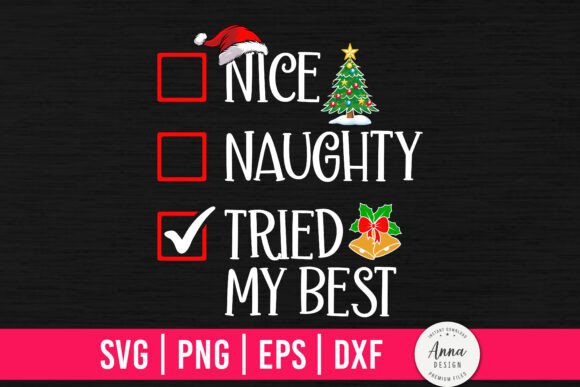
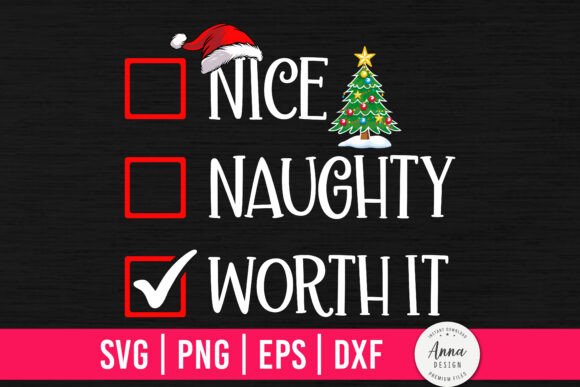
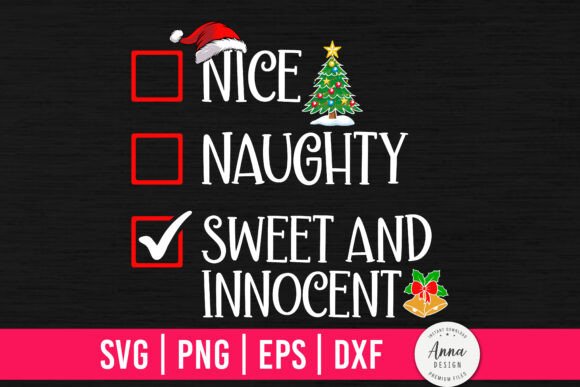
When I first opened the file for Nice Naughty Sweet and Innocent, my initial reaction wasn't about the technical specs or the file formats. It was about the vibe. As a designer who has stitched thousands of designs for clients, from corporate logos to boutique apparel, I look for that immediate spark—the feeling that this design will translate well from a digital screen to a physical piece of fabric. This particular design carries a playful, slightly cheeky energy that is perfect for modern, personality-driven brands.
The phrase itself is a conversation starter. In a market saturated with generic "Love" or "Happiness" motifs, Nice Naughty Sweet and Innocent offers a narrative hook. It feels like something you would find on a custom apron in a trendy bakery, a tote bag at a craft fair, or a sweatshirt for a group of friends celebrating a milestone birthday. The layout appears balanced, suggesting that it can handle both simple applique techniques and more complex fill stitches without losing its charm.
From Digital File to Finished Product
Let's talk about the transition from Print Templates to actual embroidery. Many designers struggle with how text-heavy designs behave when they are converted into stitch data. With Nice Naughty Sweet and Innocent, the key challenge lies in maintaining legibility while preserving the playful spirit of the typography. If the lettering is too thin, it risks disappearing into the fabric texture; if it is too dense, it might pucker the material.
In a real-world scenario, imagine you are preparing a batch of custom embroidered patches for a small shop selling handmade goods. You want these patches to be durable yet expressive. The design works beautifully here because the contrast between the words creates a visual rhythm. When stitched onto a sturdy canvas tote bag, the design becomes a focal point rather than just a decoration. Customers often tell me they buy items based on the story behind the embroidery, and this phrase tells a story of duality and fun immediately.
For those of you running an Etsy shop or a boutique, consider how this design fits into your product line. It is versatile enough to appear on baby clothes for a gender-neutral nursery collection, or perhaps on a kitchen towel for a wedding gift registry. The phrase invites personalization. You could pair it with a monogrammed initial or a simple icon to create a unique personalized gift that stands out in a crowded marketplace.
Where the Design Shines
This design finds its home best on medium-to-heavy weight fabrics that can support the structure of the stitching. Here is where I see Nice Naughty Sweet and Innocent performing exceptionally well:
- Custom Apparel: Sweatshirts and hoodies provide a soft, forgiving surface that allows the satin stitch edges to pop without looking harsh. The design adds a layer of sophistication to casual wear.
- Tote Bags and Aprons: These items are workhorses in the craft business. They need designs that are bold and readable. The layout of this file supports large-scale execution, making it ideal for branding merchandise.
- Holiday Gifts: During the festive season, customers look for unique, non-cliché gifts. This design captures a mood that fits perfectly with holiday parties or themed events.
- Baby Items: For a baby embroidery project, the innocent part of the phrase shines. On a onesie or a bib, it creates a sweet, memorable keepsake.
The versatility extends to commercial applications as well. If you are creating commercial embroidery for a local business, this design can serve as a fun staff uniform accent or a promotional item that employees actually enjoy wearing. It breaks the monotony of standard corporate branding.
Practical Considerations for the Stitching Process
However, not every application is a guaranteed success. As an experienced reviewer, I have to point out where caution is required. The devil is always in the details, especially when dealing with stitch density and fabric choice.
If you attempt to use this design on a small hoop size, you may run into issues with the spacing between letters. Tiny lettering can become illegible if the thread count is too high or if the fabric shifts during the machine cycle. Always test the design on scrap fabric first to ensure the text remains crisp. This is particularly important if you are working with stretchy fabric like jersey or spandex blends, which require specific stabilizer techniques to prevent distortion.
Texture is another factor. While the design looks great on smooth cotton or denim, applying it to highly textured fabrics like bouclé or thick fleece might obscure the finer details. The running stitch elements, if present, might get lost in the pile of the fabric. Similarly, on dark fabrics, you must carefully select thread colors that offer sufficient contrast. A light gray thread on black fabric might look muddy after washing, whereas a bright white or neon accent would make the design pop.
Curved surfaces like caps also demand attention. Embroidering a flat design onto a curved brim requires careful digitizing adjustments to account for the curvature. If the design file provided does not include specific curve adjustments, you may need to manually adjust the pull compensation settings on your machine. This is a common pitfall for hobbyists transitioning into professional production.
Maximizing Visual Appeal and Customer Trust
The quality of your embroidery directly impacts customer trust and perceived value. A sloppy stitch job on a design like Nice Naughty Sweet and Innocent can undermine the entire brand message. If the text is wobbly or the edges are frayed, the customer assumes the rest of the product is low quality. Conversely, a clean, precise execution elevates the item from a cheap souvenir to a premium handmade product.
When presenting this design in printable mockups or online listings, ensure that the lighting highlights the texture of the threads. Show close-ups of the corners and the lettering to demonstrate attention to detail. Buyers engage more deeply when they can see the craftsmanship involved in creating the finished product. This design has the potential to drive sales because it appeals to emotions—it makes people smile, nod in agreement, or feel a sense of nostalgia.
For those using this as a digital embroidery file for resale, remember that licensing is paramount. Before selling finished items or offering the design as a design asset to other creators, confirm the terms of use. Some files allow for unlimited commercial use, while others restrict the number of units sold. Ignoring these terms can lead to legal trouble down the line.
Final Thoughts on Execution
To get the most out of Nice Naughty Sweet and Innocent, I recommend a systematic approach. Start by checking the hoop size requirements and ensuring your stabilizer matches the fabric weight. Run a test stitch on a scrap piece of the same material you plan to use for the final project. Inspect the small details under good lighting to catch any potential issues before committing to the full run.
Compare the design on both light and dark backgrounds to verify color choices. If the design includes applique elements, practice the placement beforehand to ensure the layers sit flush against the fabric. These steps might seem tedious, but they are the difference between a one-off experiment and a reliable product line.
Ultimately, Nice Naughty Sweet and Innocent is more than just a graphic; it is a tool for expression. Whether you are decorating a kitchen towel for a housewarming, creating a custom apparel line for a boutique, or designing a patch for a uniform, this design offers a unique blend of wit and warmth. By approaching it with the right technical preparation and creative vision, you can transform a simple SVG into a standout piece of art that resonates with your audience.
As you move forward with your next embroidery project, keep in mind that the best results come from understanding the interplay between the design, the machine, and the material. Use this review as a guide to navigate those variables confidently. Happy stitching!