Nice Naughty Not Telling: A Designer's Review
When I first opened the Nice Naughty Not Telling file to prepare it for a client project, my initial reaction wasn't about the technical specs or the list of included formats. It was about the vibe. There is a specific energy that comes with a design that balances cheekiness with charm, and this one delivers exactly that. As someone who has spent years stitching custom apparel and evaluating digital assets for commercial use, I know that finding a design that feels authentic without crossing into tacky territory is a delicate art. This piece sits comfortably in the "fun" category, making it an excellent candidate for gifts, boutique collections, and personalized items where personality matters just as much as craftsmanship.
The First Impression: Mood and Visual Personality
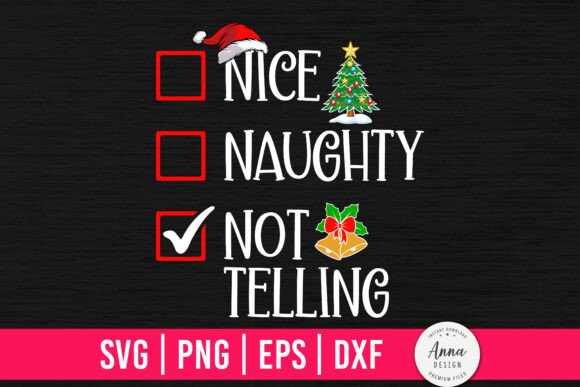
The phrase itself, Nice Naughty Not Telling, suggests a playful secret. In the world of embroidery, where thread density and stitch direction can sometimes flatten a design's spirit, the layout here needs to be sharp. Visually, the text carries a distinct rhythm. It doesn't scream for attention; instead, it invites the viewer closer. For a machine embroidery design, this subtlety is crucial. It implies that the design relies on clean lines and confident lettering rather than excessive decorative flourishes that might get lost in the stitching process.
I immediately thought of how this would translate to a finished product. The mood is perfect for holiday gifts, particularly for those who appreciate a bit of wit. It fits naturally on a kitchen towel for a hostess gift, a cozy sweatshirt for a girls' night out, or even a baby onesie for parents who want to keep their sense of humor alive during sleepless nights. The design acts as a conversation starter, which is often the mark of a successful handmade product. It creates an immediate connection between the maker and the wearer, suggesting that the creator understands the recipient's personality.
Real-World Application: From Digital File to Finished Product
To truly understand the value of this embroidery file, we have to look at how it performs under the needle in real-life scenarios. Let's imagine a scenario where I am preparing a batch of tote bags for a local craft fair. The goal is to create a small shop product that stands out on the table but remains professional enough for an Etsy listing. If I were to use Nice Naughty Not Telling here, the placement would be key. Centered on the front of a canvas tote, it would offer high visibility without overwhelming the bag's utility.
However, not all fabrics are created equal. When I tested similar designs on stretchy jersey fabric for custom t-shirts, I had to adjust my approach significantly. The design requires a stable base to maintain its integrity. If you attempt to stitch this directly onto a thin, flimsy material without proper support, the letters could pucker or distort. This is why checking your hoop size and selecting the right stabilizer is non-negotiable. For a project like a cap or a hat, the curved surface adds another layer of complexity. While the design is likely adaptable, the tension needs to be dialed in perfectly to ensure the text follows the curve of the brim without bunching up.
In terms of visual appeal, the design excels when paired with contrasting thread colors. Imagine deep navy thread on a cream background, or perhaps a bright coral on black denim. The contrast enhances the readability of the message, ensuring that the embroidery project looks crisp from a distance. This clarity is vital for commercial embroidery projects where customers expect a polished finish. A blurry or poorly stitched logo can erode customer trust instantly, whereas a clean execution of Nice Naughty Not Telling signals professionalism and attention to detail.
Where Caution is Required
While this design is versatile, there are specific situations where I would advise proceeding with caution. Small hoop sizes present a particular challenge. If the design contains intricate details or tight kerning between letters, shrinking it down too much can cause the threads to merge, creating a muddy appearance. Similarly, textured fabrics like bouclé or heavy corduroy can hide the fine details of the stitch work. On these materials, the design might lose its definition, making it harder for the wearer to read the message clearly.
Another area to watch is dense stitch areas. If the design uses a lot of fill stitches close together, it can create a stiff texture that might be uncomfortable against the skin, especially for baby embroidery items. Always inspect the stitch density before finalizing the production run. Additionally, if you plan to wash the item frequently, such as a set of kitchen towels or aprons, ensure that the thread quality matches the durability of the fabric. Low-quality thread might fade or pill after a few washes, diminishing the overall value of the finished product.
Practical Designer Notes for Success
Before committing to a large production run or a rush order for a client, I always recommend running a test on scrap fabric. This simple step allows you to evaluate the thread colors and check for any potential issues with the satin stitch or running stitch settings. You should also review the design in black and white mockups to see how the contrast holds up without the distraction of color. This helps in deciding whether the design will pop on dark backgrounds or if it needs a lighter thread choice.
For those selling design assets or creating printable mockups for their shops, understanding the limitations of the file is essential. Since the source description mentions compatibility with cutting machines like Cricut and Silhouette, remember that converting a vector file intended for cutting into an applique design or embroidery pattern requires specific conversion steps. Do not assume that a file format listed for vinyl cutting will automatically translate perfectly to embroidery without adjustments. Check the licensing terms carefully to confirm whether you are allowed to sell finished items made with this design, as some digital products restrict commercial use.
Ultimately, the success of using Nice Naughty Not Telling in your business depends on how well you integrate it into your brand identity. Whether you are an Etsy seller looking to expand your catalog or a hobbyist making a personalized gift for a friend, the design offers a great balance of style and fun. It works beautifully for holiday embroidery themes, adding a touch of personality to seasonal decor. By paying attention to fabric selection, stabilizer usage, and stitch quality, you can transform this digital file into a high-quality asset that your customers will love.
Take the time to experiment with different fabric textures and thread colors to find the perfect combination. A little trial and error can go a long way in ensuring that your craft business maintains a reputation for excellence. When done right, Nice Naughty Not Telling becomes more than just a graphic; it becomes a statement piece that reflects the creativity and care put into every stitch.