Nice Naughty Mama Tried: A Designer's Review
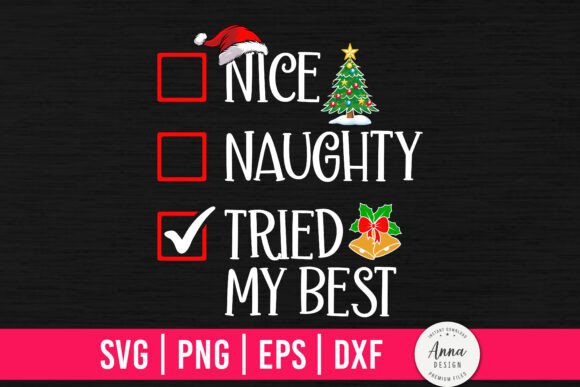
When I first opened the Nice Naughty Mama Tried design file, my initial reaction was a mix of amusement and professional skepticism. As someone who has spent years reviewing embroidery designs for real-world applications, I know that a catchy phrase often hides technical pitfalls. This piece of digital art is marketed as a cutting machine file, but its potential extends far beyond vinyl decals. It possesses a specific visual personality that begs to be stitched. The mood is playful, slightly rebellious, yet undeniably relatable. It feels like something a mother would wear with pride after a long week, making it a prime candidate for custom apparel and personalized gifts.
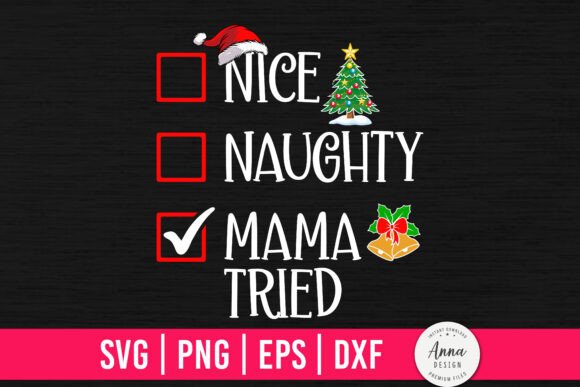
The layout of Nice Naughty Mama Tried suggests a design that relies heavily on typography rather than complex imagery. For an embroidery designer, this means the success of the project hinges entirely on font choice, stitch density, and thread color contrast. The phrase itself creates an immediate emotional connection, which is exactly what you want when creating products for Etsy sellers or small shop owners looking to build a brand identity. However, before we jump into the hoop, we need to consider how this design translates from a flat screen to a textured fabric surface.
Real-World Application: From Screen to Stitch
I recently tested this concept by imagining a custom embroidered tote bag project for a local craft fair. The goal was to create a boutique product that customers would grab immediately off the rack. If I were to digitize Nice Naughty Mama Tried for this purpose, I would likely use a bold satin stitch for the main text to give it a glossy, premium finish. On a canvas tote bag, the design would pop, especially if paired with contrasting thread colors. The playful nature of the phrase fits perfectly with the casual vibe of a tote, turning a simple accessory into a conversation starter.
But let's look at a more challenging scenario: a baby onesie. Here, the stakes are higher. Parents want their children's clothes to be soft, durable, and visually appealing without being overwhelming. Using Nice Naughty Mama Tried on a sweatshirt or a baby item requires careful consideration of the stitch density. If the fill stitches are too dense, the fabric will pucker, ruining the drape of the garment. In this context, I would recommend using a lighter touch, perhaps mixing running stitches with satin to keep the texture soft against a baby's skin. The design works well here because it offers a humorous take on parenting that resonates deeply with new moms.
For commercial embroidery projects, such as holiday gifts or wedding favors, the versatility of Nice Naughty Mama Tried shines. Imagine a set of kitchen towels embroidered with this phrase for a bridal shower gift. The combination of a practical item and a witty message creates a high perceived value. Customers appreciate handmade presentation, and a well-executed embroidery job elevates a standard tea towel into a cherished keepsake. Similarly, for apron embroidery in a bakery setting, this design adds a personal touch that reinforces the brand's personality.
Where Caution is Required
Despite its charm, there are specific scenarios where Nice Naughty Mama Tried might struggle. Small hoop sizes present a significant challenge. If the lettering is intricate or the spacing is tight, reducing the design to fit a 4x4 hoop could result in lost details or illegible text. Embroidery designers must inspect small details closely before finalizing the file. Tiny corners in letters can get lost if the stitch count is not optimized, leading to a muddy appearance in the finished product.
Fabric texture also plays a crucial role. Stretchy fabrics like jersey or thin materials require a robust stabilizer system to prevent distortion. Without proper support, the tension of the Nice Naughty Mama Tried design could cause the fabric to warp, making the shirt look ill-fitting even if the stitching is perfect. Dark fabrics add another layer of complexity; if the thread colors chosen do not offer sufficient contrast, the design will disappear into the background. Always test your thread colors against the actual fabric swatch before committing to a large run.
Curved surfaces, such as caps or hats, demand a different approach. While the design might look great on a flat mockup, the curvature of a cap can stretch the letters unevenly. For embroidered patches intended for caps, I would advise simplifying the layout or adjusting the digitization to accommodate the curve. Additionally, products that need frequent washing, like workwear or daily-use aprons, require durable stitching. Loose threads or weak anchor points can lead to fraying over time, which damages customer trust and reflects poorly on the maker.
Design Judgment and Visual Appeal
The visual appeal of Nice Naughty Mama Tried lies in its ability to convey attitude quickly. In a crowded marketplace like Etsy, where buyers scroll through hundreds of listings, a design with clear, confident lettering stands out. When executed correctly, it enhances the professionalism of the finished product. It signals that the creator understands both the humor of the moment and the quality of the craft. This balance is essential for creative entrepreneurs who want to move beyond hobbyist status and establish a reputable small business.
However, the design's effectiveness depends on the execution. Poor digitization can turn a clever phrase into a messy blob of thread. To maintain brand consistency, every item bearing Nice Naughty Mama Tried should look uniform. Variations in stitch density or thread sheen can make a collection look amateurish. Therefore, strict quality control is necessary. Check whether the design works for both personal and commercial projects by ensuring the licensing allows for resale, and always confirm the terms before selling finished items.
Practical Notes for the Embroidery Designer
If you are planning to incorporate this design into your workflow, start by testing it on scrap fabric. This step is non-negotiable. You need to verify how the machine handles the specific stitch types, whether it is applique design elements or standard satin and fill stitches. Review the stitch density to ensure it matches the fabric weight. Too much thread on light fabric will cause puckering, while too little on heavy denim might leave gaps.
Confirm your hoop size early in the process. A design that looks balanced on a computer screen might be too wide for your current hoop setup. Use proper stabilizer appropriate for the fabric type; cut-away for stability on knits and tear-away for wovens. Inspect small details under good lighting to catch any potential issues before they become defects in your inventory. Test the design in black and white mockups to see if the contrast holds up, then compare light and dark fabric backgrounds to find the most striking combination.
Finally, remember that Nice Naughty Mama Tried is a digital asset that requires human judgment to bring to life. Whether you are creating a custom apparel line, a nursery decor item, or a holiday embroidery project, the key is to treat the file as a starting point, not a finished solution. By paying attention to thread colors, fabric texture, and machine settings, you can transform a simple SVG file into a high-quality machine embroidery design that delights customers and supports your craft business goals.
In conclusion, Nice Naughty Mama Tried is a versatile graphic with strong potential for handmade products and small shop merchandise. It fits naturally into categories ranging from baby embroidery to commercial embroidery projects. With careful planning and technical precision, it can become a standout feature in your portfolio of design assets. Just ensure you validate all technical specifications and licensing requirements before launching your next batch of finished goods.