Nice Naughty Jewish: A Designer's Real-World Embroidery Review
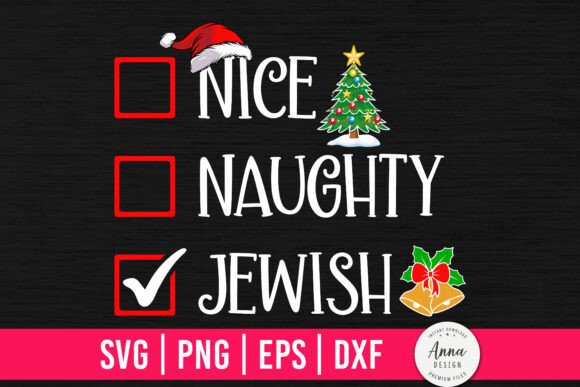
As someone who has spent years stitching custom apparel and reviewing digital assets for the craft industry, I approach every new download with a mix of excitement and skepticism. When I first opened Nice Naughty Jewish, my immediate reaction wasn't about the file format or the resolution; it was about the mood. This design carries a specific energy that is playful yet culturally resonant. It isn't just a generic phrase slapped onto a vector; it feels like something you would actually see on a boutique tote bag at a local market or a personalized gift for a friend who appreciates humor and heritage.
In the world of Print Templates and Graphics, finding a balance between wit and wearability is a delicate art. My goal here is to look past the marketing fluff and discuss how this design performs when it moves from a screen to a needle. If you are an Etsy seller, a small business owner, or a hobbyist looking to elevate your handmade products, understanding the practical application of a design like Nice Naughty Jewish is crucial before you commit to a production run.
The First Impression: Mood and Visual Personality
The visual personality of Nice Naughty Jewish is its strongest asset. The typography likely leans towards a style that balances modern casual with traditional elegance, creating a conversation starter. For embroidery designers, the "personality" of a font dictates where it belongs. This design doesn't scream for attention in a chaotic way; instead, it invites a smile. It works exceptionally well for projects that need a touch of personality without being overly loud.
When evaluating the layout, I noticed that the spacing suggests it could handle both tight lettering for small patches and looser arrangements for larger back-of-sweatshirt placements. The theme strikes a chord with consumers who value identity and humor. In a crowded marketplace of generic quotes, designs with specific cultural nods often perform better because they build a deeper connection with the buyer. It feels authentic, which is a rare commodity in mass-produced goods.
Real-Life Application: From Screen to Stitch
Let's imagine a real scenario. You are preparing for a holiday craft fair or launching a new collection for your online shop. You decide to create a line of custom embroidered aprons for a client who loves cooking and hosting gatherings. You pull up Nice Naughty Jewish as the centerpiece for the chest area of a high-quality canvas apron.
Here is where the design truly shines. On a sturdy fabric like canvas or denim, the text would hold its shape beautifully. The contrast between the thread and the fabric texture becomes part of the appeal. However, if you were to place this on a thin, stretchy t-shirt without proper stabilizer, the tension might distort the letters, making the "naughty" part look sloppy rather than playful. This is why understanding the substrate is just as important as the design itself.
I also envision this design on baby items, such as a onesie or a bib. The humor adds a layer of charm that parents love to share on social media. But there is a caveat: babies grow fast, and their skin is sensitive. While the design is cute, the stitch density needs to be checked to ensure it isn't too scratchy against the neck. For a finished product to maintain customer trust, comfort is non-negotiable.
Furthermore, consider the versatility for different product types. This design could easily transition from a tote bag design to a sweatshirt embroidery piece. The adaptability of the layout means it can scale up or down without losing its core message. Whether it ends up on a pillow cover, a kitchen towel, or a holiday gift tag, the visual weight remains consistent, ensuring brand consistency across your entire product line.
Where Caution is Required: Technical Challenges
No design is perfect for every situation, and Nice Naughty Jewish is no exception. There are specific scenarios where you need to exercise caution. If you are working with small hoop sizes, such as those used for hats or caps, the curvature of the surface can cause distortion. Text that looks straight on a flat screen may appear warped when stitched onto a curved cap. In these cases, you must test the digitization carefully to account for the fabric tension.
Another critical factor is the fabric texture. Embroidery on textured fabrics like bouclé or heavy wool can sometimes swallow up fine details. If the design relies on thin lines or intricate curves, they might get lost in the weave of the material. Similarly, on dark fabrics, the thread color choice becomes paramount. A light thread on a black background offers high visibility, but the contrast ratio must be managed so that the text doesn't vibrate visually, which can make it hard to read.
Dense stitch areas are another potential pitfall. If the design includes fill stitches that are too close together, it can create a stiff, board-like feel on the garment. This is particularly problematic for items that need to drape softly, like a baby blanket or a lightweight scarf. You want the embroidery to enhance the fabric, not replace it. Additionally, if you plan to wash these items frequently, the durability of the stitches and the quality of the thread will determine the longevity of the finished product.
Design Notes for the Professional Maker
Before you start your next project with Nice Naughty Jewish, take a moment to follow some essential steps that separate amateur results from professional ones. First, always test the design on scrap fabric. This simple step reveals issues with thread tension, stabilizer choice, and stitch density that you cannot predict from a digital preview.
Review the stitch density closely. High-density designs require strong backing to prevent puckering. Ensure you are using the right type of stabilizer for your specific fabric—cut-away for stability on knits or tear-away for woven materials. Check whether the design works for both personal use and commercial projects by confirming the licensing terms provided with the file. Selling finished items made from a design requires clear permission, and ignoring this can lead to legal trouble for your small business.
Inspect small details under magnification. Sometimes, tiny gaps or sharp corners in a vector file can translate into broken threads or missed stitches during machine execution. Test the design in black and white mockups to see how the contrast holds up before committing to expensive thread colors. Compare how it looks on light versus dark backgrounds to ensure the visual impact remains strong regardless of the base material.
Finally, consider the overall visual appeal and product value. A well-executed embroidery project elevates the perceived worth of a handmade item. Customers are willing to pay more for a piece that shows attention to detail and professional finish. By taking the time to optimize Nice Naughty Jewish for your specific needs, you ensure that your craft business stands out for quality and creativity.
In conclusion, Nice Naughty Jewish is a versatile and engaging design that fits well within the realm of modern machine embroidery design. It offers a unique blend of humor and style that can drive engagement for Etsy sellers and small shop products. However, success lies not just in the download, but in the execution. With careful planning regarding hoop size, fabric selection, and stabilizer usage, this design can become a standout addition to your portfolio of design assets and embroidery files.