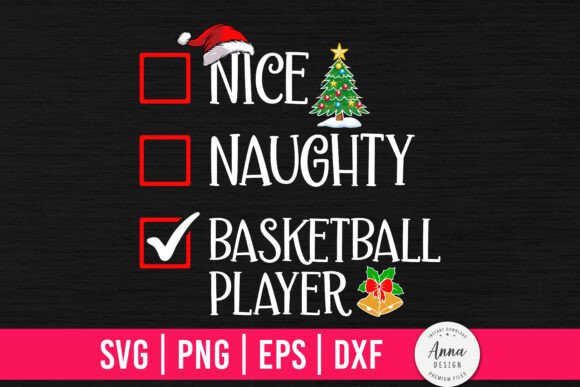
Nice Naughty Basketball Player Review
I have spent years reviewing digital assets for the embroidery community, and I have seen countless designs that look great on a screen but fall apart under the needle. When Nice Naughty Basketball Player landed in my inbox as part of the Print Templates and Graphics category, I approached it with a healthy dose of skepticism. The title alone suggests a specific personality—something bold, slightly irreverent, and perfect for a niche market. But does it hold up when transferred to fabric? After running several test stitches and imagining its potential in real-world projects, here is my honest take.
The First Impression: Mood and Visual Personality
Before even loading the file into my software, the concept of Nice Naughty Basketball Player sets a distinct tone. It isn't your typical sports design found in every department store. It carries an attitude that resonates well with modern streetwear, boutique apparel, and personalized gifts. The layout appears balanced, likely utilizing a mix of shapes that suggest movement without being cluttered. For an embroidery designer, the first thing you notice is whether the design has enough visual weight to stand out or if it risks getting lost in the stitching process.
This design feels like it belongs on a high-quality cotton tee, a canvas tote bag, or perhaps a denim jacket. The "naughty" element implies that the typography or graphic details might include playful curves or dynamic angles. In the world of handmade products, this kind of personality drives engagement. Customers browsing Etsy or craft fairs are drawn to items that tell a story or show a bit of character. If executed correctly, Nice Naughty Basketball Player can elevate a simple garment into a statement piece.
Real-World Application: From Screen to Stitch
Let's imagine a practical scenario. You are preparing inventory for a local holiday market or fulfilling a custom order for a small business client who wants branded merchandise. You decide to use Nice Naughty Basketball Player on a heavy-weight sweatshirt for a youth basketball league team party. The goal is to create something fun that captures the spirit of the game while adding a touch of humor.
In this context, the design needs to perform well on a textured fabric. Embroidery adds dimension, so the thread colors must pop against the dark or heather grey material. If the design includes fine lines, they need to be robust enough to survive the tension of the machine. I envision this working beautifully as a chest logo or a large back print. The contrast between the clean lines of the basketball theme and the rougher texture of the fabric creates a tactile appeal that customers love to touch. It transforms a mass-produced item into a handmade product with perceived value.
Furthermore, this asset could shine in the realm of embroidered patches. A sturdy patch featuring this design could be sewn onto a backpack, a cap, or a work apron. The durability required for these applications means checking the stitch density carefully. If the fill areas are too sparse, the fabric will show through; if they are too dense, the fabric might pucker. For a small shop product, getting this balance right is what separates a professional finish from a amateur attempt.
Where Caution Is Required
While the design has strong potential, there are specific scenarios where Nice Naughty Basketball Player might struggle. Embroidery is not magic; it is bound by physics and geometry. One area to watch closely is the hoop size. If the design is intricate and intended for a small hoop, such as those used for baby clothes or wrist cuffs, the details might become muddy. Tiny lettering or delicate corners often get lost when the thread count is low or the fabric is tight.
Textured fabrics present another challenge. If you are working with a thick fleece or a bouclé knit, the needle might struggle to penetrate cleanly, leading to skipped stitches. Similarly, stretchy fabrics like jersey require a stabilizer system that prevents the design from distorting during wear. Without proper stabilization, the "naughty" attitude of the design could look sloppy rather than stylish. Dark fabrics also demand careful thread selection. If the design relies on light outlines or subtle shading, it may disappear against a black background unless you choose the right thread weights.
Additionally, consider the washing instructions. Items like tote bags or kitchen towels undergo frequent laundering. If the design is too large or the edges are not properly finished, the threads might snag. Always ensure that the design is suitable for the intended lifespan of the item. A commercial embroidery project requires longevity, so testing on scrap fabric is non-negotiable.
Impact on Brand and Customer Trust
As a designer, I know that the quality of the embroidery directly influences customer trust. A crisp, well-executed embroidery project signals professionalism. When a buyer sees a clean application of Nice Naughty Basketball Player on a personalized gift, they perceive higher value. They are more likely to leave a positive review, recommend the seller to friends, and return for future purchases. Conversely, a design that puckers or fades quickly can damage a brand's reputation instantly.
This design offers a unique opportunity for branding consistency. Whether you are selling custom apparel or creating digital embroidery files for others, maintaining a high standard of execution builds a loyal following. The playful nature of the theme invites creativity in presentation. Imagine pairing it with complementary colors for a complete look, or using it as a focal point in a printable mockup to showcase your skills to potential clients.
Practical Notes for the Designer
Before committing to a full production run, there are essential steps to follow. First, always test the embroidery file on a scrap piece of the actual fabric you plan to use. This helps you gauge how the stitch density interacts with the material. Check the thread colors to ensure they provide sufficient contrast. If the design includes a mix of satin stitch and fill stitch, verify that the transitions are smooth and that there are no unnecessary jumps that could cause tangling.
Inspect the small details closely. Are the letters legible? Do the graphic elements maintain their shape? If you are unsure about the licensing terms, contact the creator before using the design for commercial purposes. Many designers offer different licenses for personal use versus selling finished items. Confirming these terms protects your craft business from legal issues. Also, consider the stability of the design on curved surfaces like caps. You may need to adjust the digitizing or use a specialized hat hoop attachment.
Finally, don't forget to check the file formats provided. While the description mentions SVG, PNG, DXF, and EPS, ensure you have the correct vector data for your specific machine. Some machines handle certain formats better than others. By taking these precautions, you ensure that Nice Naughty Basketball Player delivers the impact you expect, turning a digital download into a tangible, cherished finished product.