Nice Naughty Both: A Designer's Take on a Bold Embroidery Choice
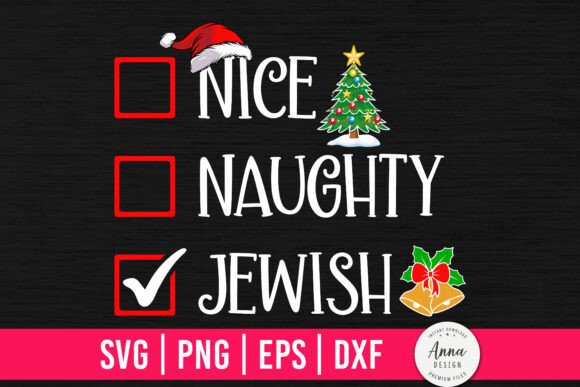
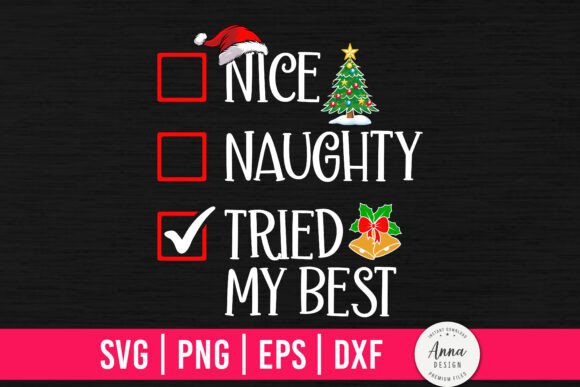
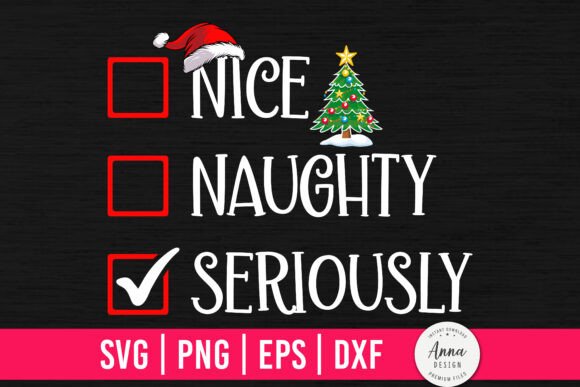
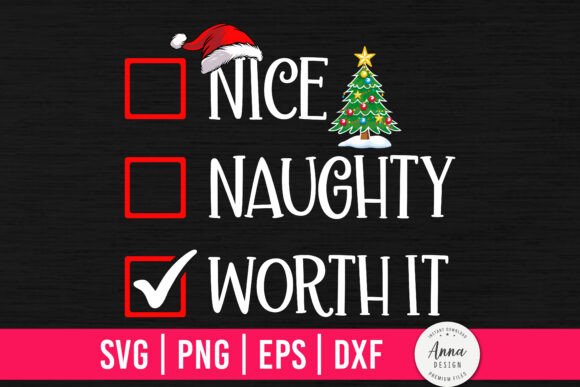
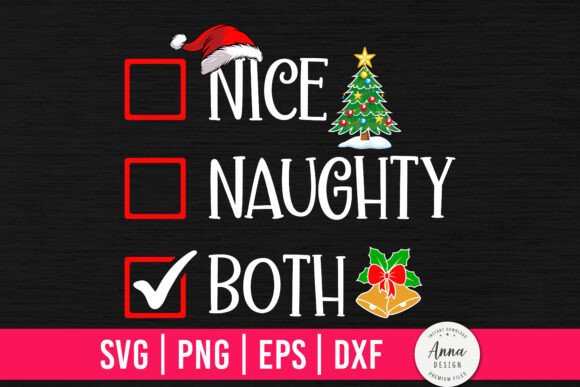
When I first opened the Nice Naughty Both design file, my immediate reaction was a mix of amusement and professional skepticism. As someone who has spent years reviewing digital assets for embroidery projects, I know that a catchy title often masks technical flaws or design limitations. However, this particular piece from the Print Templates category caught my eye because it promises a duality in personality that is hard to pull off in thread. The concept of "Nice Naughty Both" suggests a playful rebellion, a design that needs to balance sweetness with edge without looking messy or cheap.
The prompt describes this as an SVG PNG DXF EPS file intended for cutting machines, which initially raises a question about its application in true machine embroidery. While these formats are excellent for vinyl transfers and appliqué work, many designers immediately think of how these shapes translate into stitch patterns. For this review, I am evaluating Nice Naughty Both not just as a vector graphic, but as a potential foundation for a stitched masterpiece. Can this design hold up under the needle? Does it have the visual weight required for a finished product that customers will actually wear or display?
First Impressions: Mood, Layout, and Visual Personality
The mood created by Nice Naughty Both is undeniably fun and slightly cheeky. In the world of handmade goods, humor sells, but only if the execution is clean. From a layout perspective, the text-based nature of the design relies heavily on typography and spacing. If the lettering is too thin or the kerning (spacing between letters) is inconsistent, the design will lose its impact when converted into stitches. I found myself imagining how the curves of the letters would behave during a satin stitch run. Would they pucker? Would the corners look sharp or blobby?
This design feels like it belongs in a space where personality is paramount. It is not a subtle floral motif meant for a grandmother's quilt; it is a statement piece. The visual personality suggests it fits best on items that are casual, trendy, and meant to be conversation starters. Whether it ends up on a tote bag for a coffee run or a sweatshirt for a night out, the design demands attention. It creates an instant connection with the viewer, signaling that the wearer doesn't take themselves too seriously.
Real-World Application: Stitching Up a Storm
To truly understand the value of Nice Naughty Both, we need to look at how it performs in real-life scenarios. Let's imagine a scenario where I am preparing a custom embroidered tote bag for a local craft fair. This is a high-volume item, and the design needs to withstand being stuffed with books, groceries, and general chaos while still looking crisp.
If I were to use Nice Naughty Both here, I would likely opt for a bold, high-density fill stitch for the background of the text to ensure opacity. The contrast between the "nice" and "naughty" elements could be played up through thread color choices—perhaps a soft pastel pink for one side and a deep charcoal or black for the other. When I picture the finished product, I see a strong brand identity for a small shop selling lifestyle accessories. Customers walking by would stop to read it, smile, and pick up the bag. That kind of engagement is exactly what a savvy Etsy seller or boutique owner wants.
But the versatility doesn't stop there. Imagine applying this design to a baby onesie for a holiday gift. The juxtaposition of innocence ("nice") and mischief ("naughty") is a classic trope for parents who want to inject some humor into their child's wardrobe. However, the scale matters immensely here. On a tiny garment, the details must be simplified. If the original file contains intricate flourishes that get lost in the stitching process, the design fails. I would recommend scaling Nice Naughty Both carefully to ensure the text remains legible even on a small chest area.
I also see potential for this design on kitchen towels or aprons. A chef or home cook who embraces a bit of sass in the kitchen would love an apron featuring Nice Naughty Both. The durability of the embroidery becomes crucial here, as these items face frequent washing and exposure to heat. The design must be robust enough to survive the laundry cycle without fraying or losing definition.
Where to Exercise Caution: Technical Limitations
While the concept is strong, every designer knows that good ideas can fail due to poor execution or unsuitable materials. There are specific situations where Nice Naughty Both might struggle. First, consider small hoop sizes. If you attempt to stitch this design on a 4x4 inch hoop without adjusting the layout, the text may become cramped or illegible. Tight lettering in embroidery often leads to thread breaks and puckering, especially if the fabric is lightweight.
Textured fabrics present another challenge. If you try to embroider Nice Naughty Both on a rough burlap or a highly textured knit, the stabilizer might not provide enough support, leading to uneven stitches. Similarly, stretchy fabrics like jersey require a heavy-duty stabilizer to prevent the design from distorting as the fabric moves. Without proper stabilization, the "naughty" part of the design could end up looking sloppy rather than stylish.
Dense stitch areas are another pitfall. If the design includes large blocks of solid color, the fabric underneath can become stiff and uncomfortable. This is particularly important for apparel like t-shirts or baby clothes, where comfort is a priority. Additionally, curved surfaces like baseball caps require careful digitizing to ensure the text follows the curve of the hat naturally. If the design is applied flat to a curved surface, it will look warped and unprofessional.
Finally, dark fabrics require a consideration of thread colors. If the design relies on light threads against a dark background, the contrast might be insufficient unless a high-quality underlay is used. Conversely, very fine details in the design might disappear on dark backgrounds if the thread count isn't high enough. Always test the color combination before committing to a full production run.
Impact on Value, Trust, and Brand Consistency
The quality of your embroidery directly influences customer trust and perceived value. A well-executed Nice Naughty Both design signals professionalism. It tells the buyer that the creator put thought into the project and cares about the final result. In the crowded market of handmade products, this level of detail is what separates a hobbyist from a serious business owner.
When a customer receives a personalized gift or a boutique item featuring this design, they are buying into the story behind it. If the stitching is clean, the colors are vibrant, and the placement is precise, the emotional connection is strengthened. The design becomes a badge of identity for the wearer. However, if the stitching is loose, the colors bleed, or the text is distorted, the entire brand reputation suffers. Buyers expect consistency, and a single poorly executed item can lead to negative reviews that hurt future sales.
Practical Notes for the Design Professional
Before you rush to stitch Nice Naughty Both onto your next project, there are several critical steps to take. First, always test the design on scrap fabric. This allows you to gauge the stitch density and see how the fabric reacts to the tension of the machine. Check the thread color contrast under different lighting conditions to ensure the message is clear.
Review the stitch density settings in your software. High density can cause puckering, while low density can make the design look patchy. Confirm the appropriate hoop size for your intended project; do not force a large design into a small hoop. Inspect small details closely to ensure they will not break during the stitching process.
It is also wise to create black and white mockups to visualize the design's silhouette without the distraction of color. Compare how it looks on both light and dark fabric backgrounds to make informed decisions about thread selection. Use the proper stabilizer for your fabric type—a cut-away stabilizer is usually best for permanent garments, while tear-away works well for temporary applications.
Lastly, verify the licensing terms provided with the Nice Naughty Both digital file. Ensure you have the rights to sell finished items if you plan to use this for commercial purposes. If the file is described as a print-ready SVG for cutting machines, you may need to manually convert it or trace it for embroidery software to ensure optimal stitch paths. Do not assume compatibility; check the specifications before starting your workflow.
In conclusion, Nice Naughty Both is a versatile and engaging design asset that offers great potential for creative entrepreneurs. With careful planning, attention to technical details, and a keen eye for quality, it can elevate your handmade products from simple crafts to desirable commercial goods. Whether you are an experienced designer or a new maker, this design invites you to experiment with texture, color, and humor in your embroidery projects.