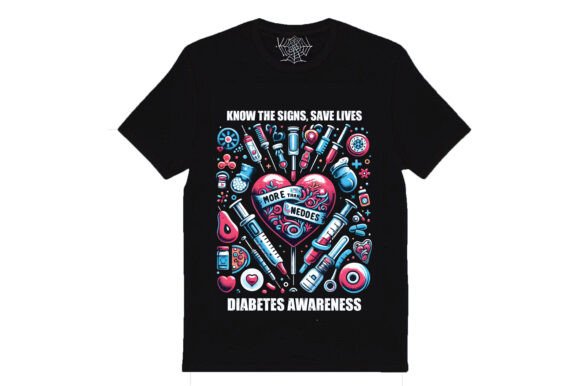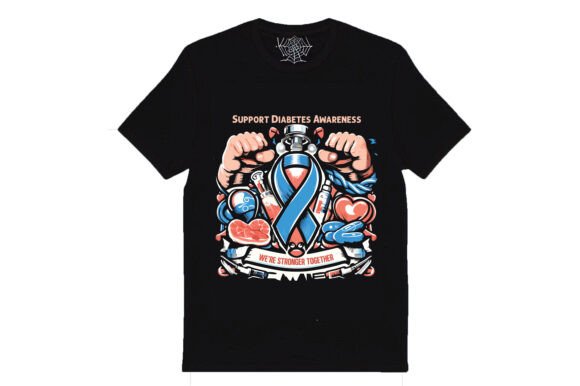
Support Diabetes Awareness – We're
When I first opened the file for Support Diabetes Awareness – We're, my immediate thought wasn't about the technical specifications, but rather the emotional weight of the message. As someone who has spent years reviewing embroidery files for both personal passion projects and commercial boutique lines, I look for designs that do more than just fill a hoop; they need to tell a story with every stitch. This design carries a clear, compassionate tone that feels perfectly suited for the growing community of diabetes advocates and their supporters. It isn't just another graphic; it is a statement piece ready to be translated from a digital screen into tangible thread.
The visual personality of this piece is straightforward yet impactful. The layout appears designed to sit comfortably on chest areas of apparel or centered on tote bags, creating an inviting focal point without overwhelming the wearer. In the world of machine embroidery, simplicity often translates to longevity and clarity. The text-heavy nature of Support Diabetes Awareness – We're suggests a reliance on clean typography, likely utilizing a combination of satin stitches for outlines and fill stitches for body text to ensure legibility. For an Etsy seller or small business owner, this kind of design is gold because it bridges the gap between a handmade product and a meaningful gift. It speaks directly to the buyer's desire to show solidarity in a way that feels personal and crafted.
From Digital File to Finished Product: A Real-World Test
Let me walk you through how I envision this design coming to life in a practical setting. Imagine you are preparing inventory for a local craft fair or a holiday market. You have selected a soft, heather-grey sweatshirt for a custom order—a popular choice for comfort wear. Placing the Support Diabetes Awareness – We're design on the left chest creates a subtle but powerful declaration. The contrast between the fabric texture and the smooth sheen of the embroidery thread would make the message pop immediately.
I also see this design thriving on a canvas tote bag. There is something incredibly satisfying about stitching a supportive message onto a reusable bag that a customer will carry everywhere. When used as a tote bag design, the durability of the stitches becomes paramount. You want to ensure that the design can withstand frequent washing and handling. The layout of this file seems robust enough for that application, provided the stabilizer is chosen correctly. It transforms a simple utility item into a conversation starter, effectively serving as a walking advertisement for awareness while supporting the wearer's cause.
Consider the scenario of a personalized gift for a new parent. Embroidering this message on a baby onesie or a nursery pillow cover requires a delicate touch. The design must not be too heavy or stiff, which could irritate sensitive skin. If the file includes dense fill stitches, testing on scrap fabric is non-negotiable here. However, if the design utilizes lighter stitch densities or a mix of running stitches for softer edges, it could become a cherished keepsake. Parents love items that convey support and love, and baby embroidery featuring this specific message would resonate deeply with families navigating a diabetes diagnosis.
Navigating Fabric Challenges and Technical Limits
While the concept behind Support Diabetes Awareness – We're is strong, the execution depends heavily on where you place it. Not all surfaces are created equal. I would advise exercising caution when attempting to use this design on highly textured fabrics like heavy waffle-knit fleece or thick terry cloth. The uneven surface can distort the lettering, making the message difficult to read and reducing the professional finish of the finished product.
Stretchy fabrics present another hurdle. While jersey knits are comfortable, they require significant attention to tension and stabilizer usage. Without proper backing, the letters might pucker or shift during the hooping process. Similarly, dark fabrics demand a careful selection of thread colors. If the design relies on light-colored threads, you may need to add a underlay layer or even a tear-away mesh to prevent the background fabric from showing through the stitches. Conversely, using dark threads on light backgrounds offers high contrast but requires precise registration to avoid gaps in the lettering.
Curved surfaces, such as baseball caps or fitted beanies, add a layer of complexity. While many modern machines handle curved embroidery well, the distortion inherent in these shapes can stretch out the text. If Support Diabetes Awareness – We're is intended for caps, I recommend checking the aspect ratio of the file before starting. You might find that the design works best on a flat patch that is later sewn onto the cap, rather than being stitched directly onto the curve itself. This approach ensures the text remains legible and maintains its intended shape.
Elevating Your Brand with Intentional Design Choices
For those of us selling custom apparel or building a brand around handmade goods, the quality of the design directly influences customer trust. A sloppy stitch job or a design that doesn't align with the product's purpose can damage your reputation. Using a well-composed file like this one demonstrates professionalism. It shows that you care about the details and the message you are conveying.
The versatility of this design allows it to fit into various niches within the craft business. Whether you are creating holiday embroidery pieces for Christmas gifts or developing a line of commercial embroidery for corporate wellness programs, the theme of support is universally appreciated. It adds value to the product beyond the material cost. Customers are willing to pay a premium for items that feel authentic and meaningful. By choosing a design that clearly communicates its purpose, you are helping the buyer connect with the item on an emotional level.
However, before you rush to the machine, there are critical steps to take. First, always test the design on scrap fabric that matches your final project in terms of weight and texture. This helps you gauge the stitch density and identify any potential issues with thread breaks or puckering. Second, review the thread colors against your fabric choices. Sometimes a color looks perfect on a monitor but gets lost once stitched. Third, inspect the small details. Are there tiny corners that might snag? Is the letter spacing consistent? These nuances separate a mass-produced look from a high-end artisan piece.
Practical Notes for the Serious Designer
If you plan to sell products featuring Support Diabetes Awareness – We're, licensing is a crucial consideration. Ensure you have the appropriate rights for commercial use. Some designers offer files for personal use only, while others provide extended licenses for resellers. Always check the terms provided with the download. Additionally, verify the file format compatibility with your embroidery machine. Most modern machines accept standard formats like .dst, .pes, or .emb, but older models might require conversion.
Using the right stabilizer is equally important. For lightweight fabrics, a cut-away stabilizer provides long-term stability, preventing the design from distorting over time. For heavier items like aprons or pillow covers, a tear-away might suffice, but again, testing is key. Don't forget to run a black and white mockup of the design to check for contrast issues before cutting any fabric. This simple step can save you hours of rework and wasted materials.
Ultimately, Support Diabetes Awareness – We're is more than just a collection of pixels; it is a tool for connection. When executed with care, it can transform a simple garment or accessory into a symbol of hope and unity. Whether you are an experienced designer looking to expand your catalog or a hobbyist wanting to create a special gift, this design offers a solid foundation for your next embroidery project. Take the time to prepare, choose your materials wisely, and let the craftsmanship speak for itself. The result will be a piece that not only looks beautiful but also carries a message that matters.