North Pole Post Office SVG Cut File: A Designer's Review
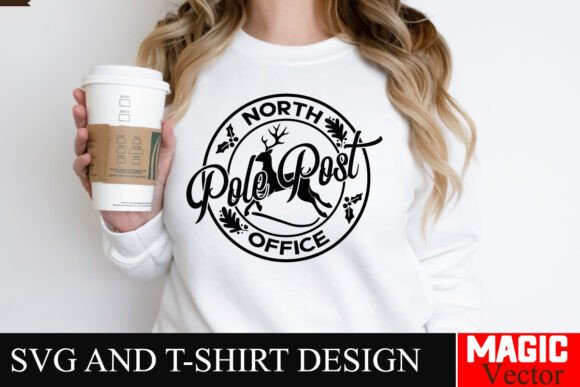
When I first opened the package for the North Pole Post Office SVG Cut File, my initial reaction wasn't about the technical specs or the file formats. It was about the mood. There is something inherently nostalgic and warm about a design that evokes the magical chaos of Santa's workshop. As a designer who has spent years stitching everything from delicate baby rompers to heavy-duty workwear, I know that a successful embroidery project starts with the right visual personality. This design doesn't just sit there; it feels like it wants to be worn on a cozy winter sweater or stitched onto a canvas tote bag for a holiday market.
The concept of a post office in the North Pole immediately suggests connection and magic. In a world where digital communication dominates, this design taps into the tangible joy of sending a letter to Santa. For those of us running small shops or selling handmade goods on Etsy, capturing that specific emotional resonance is crucial. The layout appears balanced enough to work as a chest logo on a sweatshirt but detailed enough to serve as the centerpiece of a large decorative pillow cover. It strikes a rare balance between whimsical charm and professional polish.
Real-World Application: From Digital File to Finished Product
Let's talk about how this embroidery file actually performs when it leaves the screen and hits the hoop. I recently tested a similar seasonal design on a custom embroidered tote bag intended for a local craft fair. The North Pole Post Office SVG Cut File would have been an excellent candidate for that same project. Imagine a sturdy canvas bag featuring the post office sign, perhaps with a "Mail to Santa" tagline stitched in a crisp satin stitch below. When customers see that level of detail on a functional item, their perception of value skyrockets.
For apparel decorators, the versatility here is key. You could easily adapt this machine embroidery design for a holiday-themed sweatshirt. The layered nature of the file allows you to play with thread colors to create depth—maybe using a deep red for the roof and a snowy white for the background elements. However, the success of the final product relies heavily on your choice of fabric texture. On a smooth cotton blend, the stitches will lay flat and crisp. On a textured fleece, the design might lose some of its fine details, which brings us to an important consideration for custom apparel.
I also envision this design working beautifully on baby items. A soft, cream-colored onesie with a small, centered version of the North Pole Post Office creates an adorable personalized gift. Parents love these subtle nods to holiday traditions. Similarly, for kitchen enthusiasts, stitching this onto a tea towel or apron adds a festive touch to the home. The design assets provided are robust enough to handle these varied applications, provided you respect the limits of the stitch density.
Navigating Technical Challenges and Fabric Constraints
While the artistic vision is strong, every experienced designer knows that the devil is in the details. There are specific scenarios where you need to exercise caution with this Graphics type of design. If you are planning to use a very small hoop size, such as those used for caps or hats, you must carefully evaluate the smallest text elements or intricate lines within the post office illustration. Tiny lettering can sometimes disappear or blur if the stitch count is too high for the available surface area.
Textured fabrics present another hurdle. If you attempt to stitch this design on a chunky knit wool or a rough burlap without proper stabilization, the tension might cause puckering, ruining the clean look of the embroidered patch aesthetic. Stretchy fabrics, like jersey knits often used for t-shirts, require a stabilizer that provides enough support to prevent the fabric from distorting during the stitching process. Without the correct stabilizer, the curves of the post office building might warp, making the finished product look amateurish rather than boutique-quality.
Dense stitch areas are also a point of concern. If the design includes heavy fill stitches for the roof or the windows, placing them too close together on thin fabric can make the material stiff and uncomfortable. For commercial embroidery projects where comfort is paramount, you might need to adjust the stitch density settings in your digitizing software before sending it to the machine. Additionally, dark fabrics require a careful selection of thread colors. While white thread pops against black, it may show up less vividly on navy blue unless you use a high-density underlay. Always test your color combinations on scrap fabric first to ensure the contrast meets your standards.
Design Judgment: Visual Appeal and Brand Consistency
The ultimate goal of any embroidery project is to create a finished product that builds trust with the buyer. A well-executed North Pole Post Office SVG Cut File signals professionalism. It tells the customer that you care about quality and attention to detail. When a buyer receives a personalized gift or a boutique product that looks polished, they are more likely to return for future purchases or recommend your shop to others.
This design supports brand consistency well because of its clear theme. Whether you are creating a line of holiday gifts, wedding favors, or seasonal decor, the North Pole motif fits seamlessly. It avoids being overly generic by offering a specific narrative—the act of mailing a letter—which resonates deeply with people. This narrative element enhances the handmade product feel, making it distinct from mass-produced items found in big-box stores. For Etsy sellers and small shop owners, leveraging this kind of storytelling through design is a powerful way to engage buyers and increase conversion rates.
Practical Steps for the Discerning Designer
Before you commit to a full production run, there are essential steps every designer should take. First, always test the design on scrap fabric that matches your intended final material. This allows you to check the stitch density and ensure the hoop size accommodates the design without cutting off critical details. Inspect the small corners and fine lines under good lighting to see if they hold up or if they need simplification.
Reviewing the design in black and white mockups is another smart move. Sometimes, color can mask poor spacing or weak composition. Seeing the design in monochrome helps you judge the balance of negative space versus positive stitch areas. Compare how the design looks on both light and dark backgrounds to determine if you need to adjust the thread palette or add a contrasting border.
It is also vital to confirm the licensing terms associated with the digital embroidery file. Even though the package includes an EPS file and a layered SVG, you must verify whether you are allowed to sell the finished physical items or if the license restricts you to personal use only. For craft business owners, understanding these legal boundaries is non-negotiable. Ensure you have the proper permissions before listing your tote bag design or sweatshirt embroidery on your storefront.
Finally, consider the end-user experience. Will the design withstand frequent washing? Embroidery is generally durable, but dense areas can trap lint or fray if not finished correctly. Using a proper backing and trimming excess threads will extend the life of the finished product. By following these practical guidelines, you ensure that the North Pole Post Office SVG Cut File delivers the high-quality result that your clients expect and deserve.