My 1st 4th July SVG Cut File: A Designer's Reality Check
As someone who has spent years reviewing digital assets for real-world embroidery projects, I rarely get excited about a file until I see how it translates from a screen to a needle. Today, I am evaluating My 1st 4th July SVG Cut File. On the surface, this looks like another patriotic graphic in a sea of Crafts and Graphics products, but the devil is always in the stitching details. If you are an Etsy seller, a small shop owner, or a hobbyist looking to create a high-quality finished product, you need to know exactly what happens when this design hits the hoop.
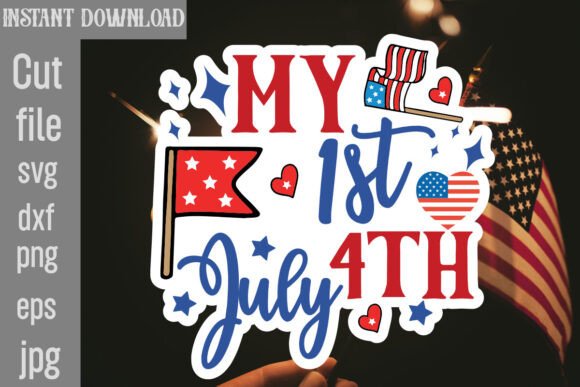
The first impression of My 1st 4th July SVG Cut File is one of clear intent. It is designed to celebrate a milestone, likely for a baby or a young child given the "My 1st" phrasing. The visual personality is festive and celebratory, relying on the classic red, white, and blue palette that defines American holiday embroidery. However, as a designer, my initial thought isn't just about the colors; it is about the geometry. Does the layout hold up when converted into stitches? Can it handle the tension of a machine without puckering? For a project like a custom embroidered tote bag or a sweatshirt, the answer depends entirely on how the design handles density and placement.
Real-World Application: From Digital File to Finished Product
Let me walk you through a scenario where I would actually use My 1st 4th July SVG Cut File. Imagine preparing a boutique line of holiday gifts for the Fourth of July. You want to create personalized baby onesies or small patch sets for a craft fair. This file is marketed as compatible with major electronic cutting machines, which implies it contains vector paths suitable for both vinyl application and digitized embroidery workflows.
In practice, using this as a machine embroidery design on a cotton tee requires careful consideration. The text "My 1st" combined with the 4th of July theme creates a narrative that customers love. When stitched onto a light-colored fabric, the contrast is usually excellent, creating a professional look that boosts customer trust. However, if you plan to use this on a dark fabric, you will need to be strategic about your thread colors and underlay. Without a proper stabilizer, the tension required for the fill stitches might cause the fabric to pucker around the edges of the letters.
I also envision this design working beautifully on a kitchen towel or a pillow cover. These items have flat surfaces that accommodate the design well, allowing the satin stitch to shine without distortion. For a commercial embroidery project, the versatility of the file is a strong selling point. Whether you are making a tote bag design or a set of matching aprons, the design offers a cohesive brand element that feels handmade yet polished. The key to success here is ensuring that the stitch density matches the weight of the fabric. Too dense for a thin tea towel, and the fabric will bunch; too sparse for a heavy sweatshirt, and the design will look washed out.
Where Caution Is Required
While the potential is high, there are specific areas where My 1st 4th July SVG Cut File needs a second look before you commit to a production run. Small hoop sizes can be tricky with text-heavy designs. If the lettering is tight, you risk losing clarity in the curves of the characters. Similarly, textured fabrics like denim or boucle can hide the finer details of the design, turning a crisp embroidery file into a muddy blob.
Stretchy fabrics present another challenge. Unless the design includes a robust backing or the fabric is stabilized correctly, the elasticity of the material can pull the stitches apart over time. This is particularly relevant for baby embroidery on stretchy bodysuits. Furthermore, curved surfaces like caps require a specialized digitizing approach. While the file is compatible with cutting machines, transferring that shape to a curved cap for embroidery often requires manual adjustments to the angle and spacing to ensure the text reads correctly when viewed from the front.
Dense stitch areas should also be monitored. If the design relies heavily on fill stitch without enough running stitch breaks, it may become stiff and uncomfortable against the skin. For a personalized gift, comfort is just as important as aesthetics. Additionally, if you are planning to sell these items frequently, consider how the design holds up after washing. Frequent laundering can fade thread colors or loosen stitches if the density was not optimized during the creation of the digital embroidery file.
Visual Appeal and Brand Consistency
The ultimate goal of any craft business is to build a recognizable brand. My 1st 4th July SVG Cut File contributes to this by offering a clean, thematic look that resonates with buyers during the summer season. When used consistently across small shop products, such as matching patches or coordinated apparel, it signals professionalism. Customers are more likely to engage with a listing that features a mockup showing a well-executed design rather than a generic image.
The design also enhances the perceived value of the finished product. A well-stitched embroidered patch or a neatly applied applique design commands a higher price point than a printed version. By choosing to embroider this design, you are elevating the item from a mass-produced commodity to a unique, handmade piece. This distinction is crucial for Etsy sellers and creative entrepreneurs who rely on the story of their craftsmanship to drive sales.
Practical Notes for the Embroidery Designer
Before you start stitching, there are several technical steps you must take to ensure the best results. First, always test the design on scrap fabric that matches the texture and weight of your final material. This simple step can save you hours of rework and wasted thread. Second, check your thread color contrast carefully. What looks good on a screen might lose its pop in thread form, especially if the background fabric is busy.
Review the stitch density and confirm the hoop size fits your intended garment. If the design is too large for a standard hoop, you may need to split the design or use a larger frame. Inspect small details closely; sometimes, tiny elements can get lost or tangled during the stitching process. It is also wise to test the design in black and white mockups to ensure the composition works even without color. Compare how it looks on light versus dark backgrounds to determine if you need to adjust the underlay or add a top layer of contrasting thread.
Finally, verify the licensing terms. Many design assets come with restrictions on commercial use. Confirm whether you are allowed to sell finished items made with My 1st 4th July SVG Cut File or if the license is limited to personal projects. This is a critical step for commercial embroidery operations to avoid legal issues down the road.
In conclusion, My 1st 4th July SVG Cut File is a versatile tool for anyone looking to add a patriotic touch to their embroidery project. With careful attention to fabric choice, stabilization, and testing, it can produce stunning results for everything from holiday gifts to boutique branding. It is not just a graphic; it is a foundation for a high-quality handmade product that your customers will cherish.