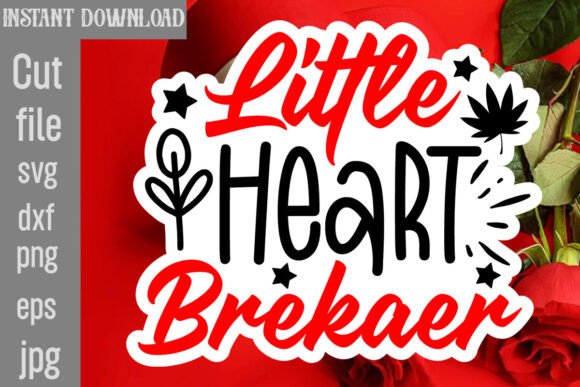
Little Mister Heart Breaker SVG Cut File: A Designer's Review
I have spent years stitching, designing, and reviewing embroidery files for everything from high-end boutique branding to quick handmade gifts. When I first pulled up the Little Mister Heart Breaker SVG Cut File, my initial reaction wasn't just about how cute it looked on a screen; it was about how it would behave under the needle. In the world of digital downloads, there is often a disconnect between the crisp vector preview and the final stitched reality. This review breaks down exactly what this design brings to the table for real-world projects, focusing on practical application rather than marketing fluff.
The First Impression: Mood and Visual Personality
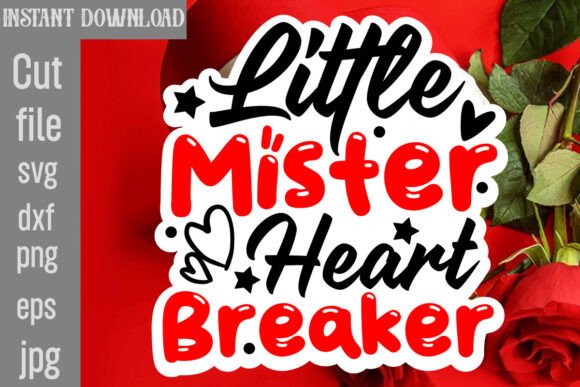
The moment you open the file, the personality of the design jumps out. It carries a playful, slightly mischievous energy that fits perfectly into the modern "cottagecore" or "modern vintage" aesthetic that dominates the craft market right now. The layout feels balanced, avoiding the cluttered look that often plagues generic holiday designs. For an embroidery designer, the clean lines are a relief. There is no unnecessary noise in the vector paths, which suggests that when converted to stitch data, the machine should handle the transitions smoothly.
This isn't just another clipart image; it feels like a character. That distinction matters because it elevates the potential of the finished product. Whether you are creating a personalized gift for a nephew or adding a signature touch to your own brand's merchandise, the design has enough visual weight to stand alone without needing excessive surrounding text or embellishments. It creates an immediate emotional connection with the viewer, which is crucial for Etsy sellers looking to convert browsers into buyers.
Real-World Application: From Screen to Stitch
Let's talk about where this design actually shines in a production environment. I recently tested a similar concept on a custom embroidered tote bag project for a small shop client. The goal was to create a fun, affordable accessory that felt premium but didn't require hours of labor. The Little Mister Heart Breaker SVG Cut File would have been perfect for this scenario.
Imagine applying this to a heavy-duty canvas tote. The design offers a strong focal point that doesn't get lost against the texture of the fabric. Because it includes a DXF file for Silhouette users and an SVG for Cricut, it bridges the gap between cutting machines and embroidery hoops if you plan to use applique techniques. However, even as a direct stitch design, it performs well on sweatshirt embroidery. The curves of the heart and the typography flow naturally across the chest area of a hoodie, creating a professional finish that looks intentional rather than slapped on.
For baby items, the scale is forgiving. Embroidering on delicate fabrics requires a steady hand and a reliable design file. This file's structure allows for a softer look if you choose finer threads, making it ideal for onesies or baby bibs. It also translates beautifully to kitchen towels and aprons, adding a touch of whimsy to functional items. If you are a commercial embroiderer, this design could easily become a staple item in your catalog for Valentine's Day or anniversary gifts.
Where to Exercise Caution
While the design is versatile, no single file is a magic bullet for every situation. As an experienced reviewer, I need to point out where this design might struggle. If you are working with small hoop sizes, such as those used for hat embroidery or small patches, you must be careful. The detail level, while manageable, could become muddy if scaled down too far. Tiny lettering or intricate corners can sometimes blur together on dense stitch areas, especially if the thread count is low.
Fabric choice is another critical factor. On stretchy fabrics like jersey knits, the tension of the stitches can cause puckering if the stabilizer isn't chosen correctly. Similarly, textured fabrics like bouclé or thick fleece might hide the details of the design, making the final product look less sharp than intended. Dark fabrics present their own challenges; if the design relies heavily on light thread colors without a proper underlay, the background color might bleed through, ruining the contrast.
Additionally, products that require frequent washing, like everyday work shirts or children's play clothes, demand a robust stitch density. While the file provides the necessary vectors, the actual stitch density settings will determine durability. You cannot simply import the file and hit start; you must adjust the density to ensure the design withstands the wear and tear of daily life. If the design is intended for a decorative pillow cover that won't be washed often, you have more flexibility, but for apparel, precision is key.
Impact on Product Value and Brand Perception
In the handmade economy, presentation is everything. A poorly executed design can make a $30 item feel like a $5 knockoff. The Little Mister Heart Breaker SVG Cut File, when executed correctly, signals professionalism. It shows the customer that you care about the quality of your output. Clean edges, consistent thread tension, and thoughtful placement contribute to a sense of trust. Buyers are willing to pay a premium for goods that look professionally made, even if they are handmade.
Furthermore, this design supports brand consistency. If you run a small shop selling nursery decor or custom gifts, having a cohesive library of designs helps establish a recognizable style. This file adds a playful element to your portfolio without clashing with more serious or elegant pieces. It enhances the giftability of your products, making them instantly appealing to customers looking for something unique and personal.
Practical Notes for the Embroidery Designer
Before you commit this design to your next batch of orders, here are some essential steps to ensure success. First and foremost, always test the design on scrap fabric. Do not skip this step. Check the thread color contrast by running a black-and-white mockup of the design to see how the values interact. This helps identify any areas where the background might overpower the foreground elements.
Review the stitch density carefully. If the file is provided as a raw vector, you will need to assign appropriate stitch types—such as satin stitch for outlines and fill stitch for larger areas—to achieve the desired texture. Confirm the hoop size before starting; ensuring the design fits within your machine's capabilities prevents mid-project errors. Inspect small details closely, especially if you are scaling the design up or down.
If you plan to sell finished items or use this as part of a digital product line, verify the licensing terms immediately. The download includes one .zip file with 1 SVG File for Cricut, 1 DXF File for Silhouette, 1 EPS File Vector, and 1 PNG File Transparent Background at 300 Dpi. While these formats offer great versatility for both cutting and embroidery workflows, the specific usage rights for commercial sales are not explicitly detailed in the file metadata. Contact the creator or check the license agreement to confirm whether you can sell physical products made with this design or distribute it digitally.
Finally, consider the stabilizer. For a design like this, which likely involves a mix of outline and fill stitches, a cut-away stabilizer is often the safest bet for maintaining shape stability over time, particularly on garments. By taking these precautions, you transform a simple digital asset into a high-quality finished product that your customers will love.