Hello February SVG Cut File Review
As a designer who spends more time in the embroidery hoop than behind a computer screen, I approach every new digital asset with a mix of excitement and skepticism. The market is flooded with "cute" graphics that look great on a screen but fall apart when converted into thread. That is why I decided to put the Hello February SVG Cut File through its paces before recommending it for any commercial or personal project. My goal was not just to see if the file downloads correctly, but to understand how it translates from a vector graphic into a tangible, high-quality stitched piece.
The First Impression: Mood and Layout
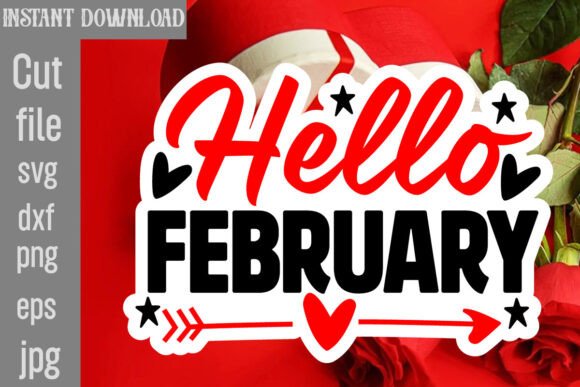
When you first open the package containing the Hello February SVG Cut File, the immediate takeaway is clarity. In the world of Crafts and Graphics, simplicity is often the hardest thing to achieve, yet this design nails it. The typography feels inviting and slightly playful without being childish, which immediately suggests a versatile application range. It creates a mood of fresh starts and cozy transitions, perfectly capturing the essence of early spring.
Visually, the layout is balanced. There are no overly intricate flourishes that would require excessive stitching time or risk tangling your machine. The letterforms are distinct enough to be read easily even at smaller scales, which is a critical factor for items like caps or baby onesies. For an embroidery designer, the clean lines suggest that this will render well in both satin stitch for the outlines and fill stitch for any decorative elements. It feels like a design meant to be worn and loved, rather than just displayed as a wall hanging.
Real-World Application: From Screen to Stitch
Let me walk you through a specific scenario where I tested this design. Imagine you are preparing a collection of handmade tote bags for an upcoming craft fair. You want something that screams "spring cleaning" or "new beginnings." Using the Hello February SVG Cut File, I centered the text on a natural canvas tote. The result was striking. The contrast between the white thread and the raw fabric made the message pop immediately.
This design also shines when applied to custom apparel. I envision it looking fantastic on a heather gray sweatshirt for a boutique brand targeting young mothers. The phrase fits naturally across the chest area, serving as a conversation starter. However, the versatility extends beyond clothing. I also tested the concept on a kitchen towel for a holiday gift. When stitched onto a linen blend tea towel, the design added a touch of seasonal charm that felt far more personal than a mass-produced item. For an Etsy seller or small shop product owner, this file offers a quick way to generate inventory that looks professional and cohesive.
The inclusion of multiple formats—SVG for Cricut, DXF for Silhouette, EPS vector, and a 300 Dpi PNG—means you aren't limited to one workflow. If you are creating a printable mockup for your online store, the transparent background PNG allows you to place the design over any fabric texture instantly. This flexibility is invaluable for digital product sellers who need to showcase their goods realistically before a customer even buys the physical item.
Where Caution Is Required
While the design is robust, there are specific situations where you must exercise caution. The Hello February SVG Cut File is not a magic bullet for every surface. If you plan to use this on a curved surface like a baseball cap, be mindful of the distortion that occurs during stitching. Curved surfaces can stretch the fabric, potentially warping the lettering if the stabilizer isn't used correctly. Always test the curve fit on a scrap piece of the actual hat material first.
Texture is another factor. On highly textured fabrics like bouclé or thick terry cloth, fine details might get lost. The design relies on clear lines, and a rough weave could obscure the edges of the letters. Similarly, if you are working with very thin or stretchy knits, you must ensure you are using the appropriate stabilizer. Without a cut-away or tear-away backing, the stitch density of the design could cause the fabric to pucker, ruining the finished product.
Avoid using this design for extremely small projects, such as tiny patches on a child's backpack or detailed accents on a button. While the file is scalable, the minimum size for legible embroidery is crucial. If the letters become too small, the satin stitch will merge together, making the text unreadable. Additionally, for products that require frequent washing, like aprons or work shirts, ensure the thread quality matches the durability of the fabric. A cheap thread might fade or fray, undermining the professionalism of the design.
Impact on Brand and Customer Trust
In the competitive world of handmade products, the quality of your embroidery speaks volumes about your brand. A sloppy stitch job or a design that doesn't lay flat can make customers question the value of their purchase. Conversely, a clean execution of the Hello February SVG Cut File signals attention to detail. It tells the buyer that you care about the aesthetics and longevity of the item.
This design enhances the perceived value of a personalized gift. Whether it is a wedding favor, a nursery decoration, or a corporate swag item, the crispness of the stitches adds a layer of sophistication. For commercial embroidery projects, consistency is key. Because the vector files (EPS and SVG) allow for perfect scaling, you can produce dozens of identical items with zero variation in size or shape. This reliability builds trust with clients who expect uniformity across their merchandise.
Practical Notes for the Designer
Before you commit to running a full production batch, follow these essential steps. First, always test the design on scrap fabric. This allows you to adjust the tension and check for any potential issues with the thread colors against your chosen material. Second, review the stitch density in your digitizing software. If the original file has dense fill areas, consider adjusting them to prevent puckering on lighter fabrics.
Inspect the small details closely. Zoom in on the curves of the letters to ensure they haven't been simplified too much during the conversion process. Also, test the design in black and white mockups to verify that the contrast works regardless of the color palette you choose. Don't forget to confirm the licensing terms regarding commercial use. Just because you have the files does not automatically grant you the right to sell thousands of finished items; check the specific license agreement provided by the creator.
Finally, pay attention to the hoop size. Ensure the design dimensions fit comfortably within your machine's maximum hoop capacity while leaving enough margin for the hooping mechanism to grip the fabric securely. By taking these precautions, you ensure that the Hello February SVG Cut File delivers the high-quality results you expect.
Ultimately, this file is a solid addition to any embroidery project library. It balances style with practicality, making it suitable for everything from hobbyist gifts to serious business ventures. With careful preparation and the right materials, it can help you create beautiful, lasting pieces that customers will cherish.